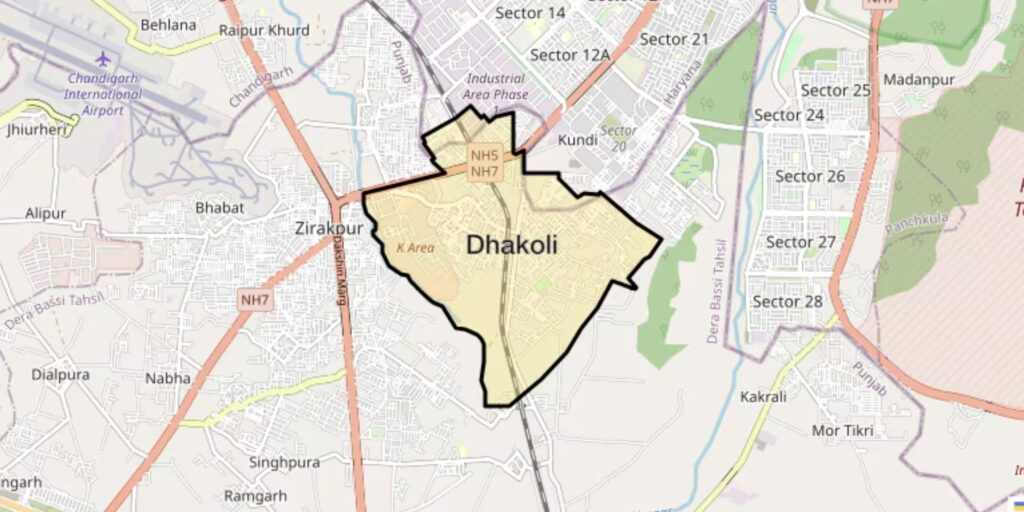
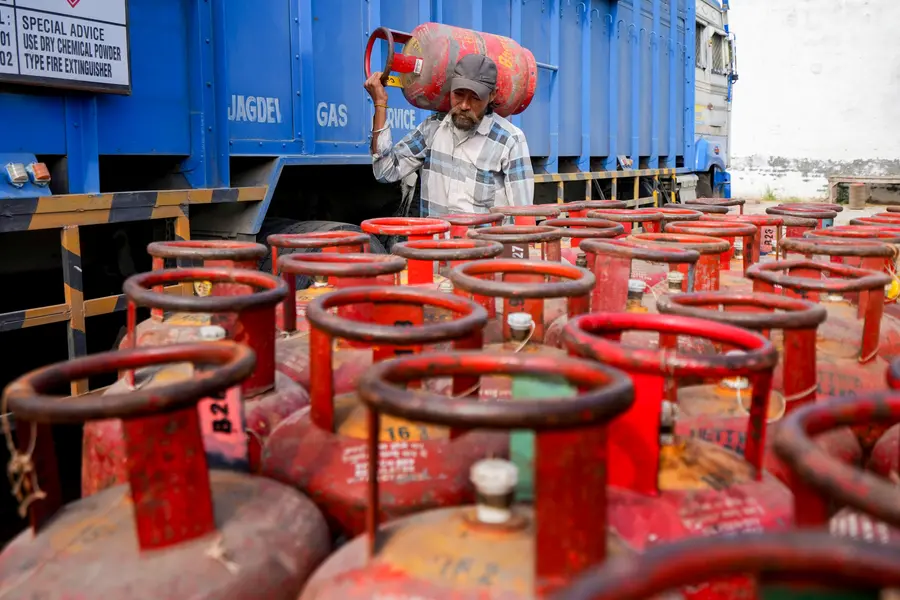
In recent weeks many residents in Panchkula, Zirakpur, Dhakoli and Chandigarh have been talking about one common issue: LPG cylinders are becoming difficult to get on time. People who booked their gas cylinders reported delivery delays, while some gas agencies temporarily ran low on stock. Restaurants and small food businesses also faced problems because they depend on LPG cylinders for daily cooking.
This situation has created concern among residents. Many people are asking whether there is a real LPG crisis in the Tricity region or if it is only a temporary supply issue. In this article we explain what is happening, why the shortage occurred, and what residents should know.
What Is Happening With LPG Supply in the Tricity Area?
Over the last few days several LPG distributors in Panchkula, Zirakpur and Chandigarh reported higher demand for cylinders than usual. Because of this sudden demand, delivery schedules became slower.
Some residents experienced:
- Delayed cylinder deliveries
- Gas agencies temporarily running out of stock
- Longer waiting times after booking LPG online
- Restaurants struggling to get commercial cylinders
While the shortage is not the same everywhere, many households across the region noticed that LPG supply was slower than usual.
Why Did the LPG Shortage Happen?
There are several reasons behind the current LPG supply pressure. Most of them are temporary and related to demand and distribution.
Increased Demand From Residents
One major reason is panic booking. When people hear news about a possible shortage, they often book LPG cylinders earlier than necessary. This creates a sudden spike in demand.
If thousands of people try to book cylinders at the same time, distributors may temporarily run out of stock even if the overall supply in the country is stable.
Supply Chain Delays
Fuel supply depends on transportation, bottling plants and distribution networks. Any disruption in these systems can slow down delivery.
If shipments arrive late or transportation is delayed, local gas agencies may not receive cylinders on time. This creates short-term shortages in some cities.
Higher Commercial LPG Usage
Restaurants, street food vendors and small eateries use commercial LPG cylinders in large numbers. When supply becomes limited, commercial users are usually affected first.
Some restaurant owners in the region reported difficulty in getting new cylinders quickly, which increased public discussion about the shortage.
Infrastructure and Logistics Issues
Sometimes LPG bottling plants and distribution centres experience temporary operational challenges. Maintenance work, transport delays or unexpected demand can affect supply for a few days.
These types of issues are common in large supply chains and usually get resolved after distribution stabilises.
Is There a Nationwide LPG Crisis?
At the moment, there is no confirmed nationwide shortage of LPG for domestic consumers. India continues to produce and import LPG to meet household demand.
However, supply in certain regions may temporarily slow down because of transportation issues, sudden demand increases or distribution challenges.
Government authorities and oil companies generally prioritise domestic LPG cylinders for households to make sure people can cook food at home.
How Are Local Authorities Responding?
When gas shortages are reported, authorities and oil companies take steps to manage the situation. Their goal is to prevent hoarding and ensure fair distribution.
Some common actions include:
- Monitoring LPG distribution agencies
- Increasing supply to high-demand areas
- Preventing black marketing or hoarding
- Encouraging people not to panic book cylinders
These measures usually help stabilise supply within a short period.
Impact on Residents and Businesses
For most households the impact has been limited to delayed delivery rather than complete unavailability. Still, even small delays can create inconvenience because LPG cylinders are essential for daily cooking.
Businesses have faced greater pressure. Restaurants and food vendors depend on continuous gas supply. If commercial cylinders are delayed, it can affect food preparation and daily operations.
Because of this, business owners often need multiple backup cylinders to avoid disruption.
What Residents Should Do During an LPG Shortage
During any temporary supply problem, residents can help improve the situation by using LPG responsibly and avoiding panic buying.
Some practical steps include:
- Booking cylinders only when required
- Avoiding storing extra cylinders unnecessarily
- Using official LPG booking platforms
- Reporting illegal selling or black marketing
When demand remains balanced, gas agencies can distribute cylinders more efficiently.
How the Situation May Improve
LPG supply chains normally adjust quickly to sudden demand increases. Once additional shipments reach bottling plants and distributors receive new stock, delivery schedules usually return to normal.
Residents in Panchkula, Zirakpur, Dhakoli and Chandigarh may see supply stabilise as distribution catches up with demand.
Short-term shortages like this are often temporary and resolve once panic booking stops and supply reaches local agencies.
Why Infrastructure Growth in the Region Matters
The Tricity region has been expanding rapidly in recent years. Population growth in areas like Dhakoli and Zirakpur means more households are using LPG cylinders.
As residential projects increase, the demand for cooking gas also grows. Distribution networks must continue expanding to keep up with this growth.
Improved infrastructure, better transport networks and additional distribution centres will help ensure smoother supply in the future.
Final Thoughts
The recent LPG shortage reported in Panchkula, Zirakpur, Dhakoli and Chandigarh appears to be a temporary supply and demand imbalance rather than a long-term crisis.
Increased bookings, supply delays and commercial demand created short-term pressure on gas distributors. However, such situations are usually resolved once supply chains adjust and demand stabilises.
For residents, the best approach is to remain calm, book LPG when necessary and rely on official distribution channels. Responsible use helps ensure that everyone in the community receives fair access to essential resources like cooking gas.